Water Care
Advice
Clear answers for cloudy water, foam, balance problems, sanitizer questions and everyday spa care.
Spa water care doesn't have to be complicated. Start with the problem you're seeing, learn what may be causing it, and find the next step that makes sense for your water.
Most Spa Water Problems Have a Cause
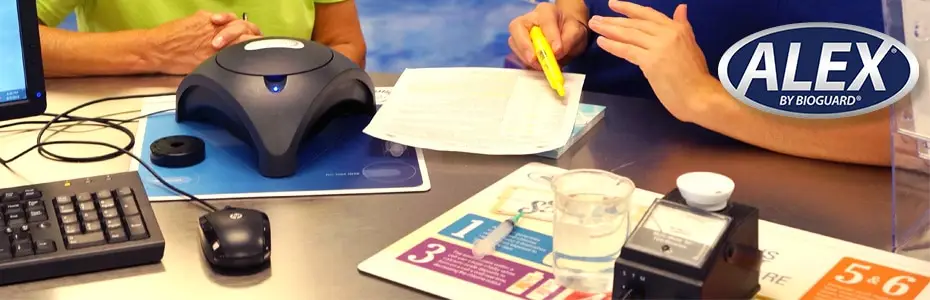
Cloudiness, foam, odors and uncomfortable water are often symptoms rather than the real problem. Before adding more chemicals, check your water balance, sanitizer level, filter condition and recent spa use.
Start With Balanced Water
pH, total alkalinity and calcium hardness work together. When one is out of range, the water can become uncomfortable, cloudy or harder to maintain.
Why pH Matters
Low pH can contribute to corrosion. High pH can contribute to cloudy water and scale buildup. Keeping pH in the proper range also makes the water more comfortable for bathers.
What does balancing spa water mean?
Balancing means adjusting pH, total alkalinity and calcium hardness so your water stays comfortable, clear and easier to maintain.
What does total alkalinity do?
Total alkalinity helps stabilize your pH. When alkalinity is out of range, pH can move up and down and become much harder to control.
The product you need depends on your actual test results.
 pH Increaser
 pH Decreaser
 Total Alkalinity Increaser
 Calcium Hardness Increaser
Keep the Water Sanitized
Warm spa water makes proper sanitizing especially important. The goal is to maintain an appropriate sanitizer level for the water-care system you're using.
Fast Acting
Chlorine works quickly and is commonly used because sanitizer levels can be adjusted relatively quickly.

Longer Lasting in Hot Water
Bromine dissolves more slowly and can provide longer-lasting sanitation in hot spa water.


Why does my hot tub need sanitizer?
Sanitizers help control microorganisms and keep spa water clean and comfortable. Warm water makes maintaining the proper sanitizer level particularly important.
How often should I add sanitizer?
Check sanitizer levels regularly and maintain them according to your water-care system, product label and spa usage. Heavy use may require more frequent attention.
What about enzymes?
Enzyme products can help break down organic contaminants and may be used as part of an overall spa water-care routine.
What Does Shocking a Spa Do?
Shock helps remove organic contaminants that build up in spa water.
Perspiration, body organics, cosmetics and other contaminants enter the water every time the spa is used. Oxidizing the water helps break down that buildup and restore water clarity.
The correct schedule can vary with spa use and your water-care system.

Enhanced Shock
A multi-purpose shock treatment for removing organic contaminants and restoring water clarity.

Spa Shock
A quick-dissolving non-chlorine oxidizer for removing accumulated organic contaminants.
Some products may allow spa use relatively soon after treatment, but only when sanitizer levels are within the range specified on the product label. Never use a generic wait time in place of the manufacturer's directions.
What Is Your Water Doing?
Start with the symptom you're seeing. More chemical is not necessarily better—the goal is to identify the cause first.
Cloudy Water
Cloudy water can have several different causes.
- Water balance
- Sanitizer level
- Filter condition
- Recent heavy spa use
- Organic buildup
Foam
Foam is often caused by contaminants introduced by bathers.
- Residual laundry detergent
- Hair conditioner
- Body products
- Soaps
- Organic contaminants

Stains + Scale
Mineral imbalance can lead to scale, staining and cloudy water.
- pH
- Calcium hardness
- Source-water metals
- Existing mineral deposits
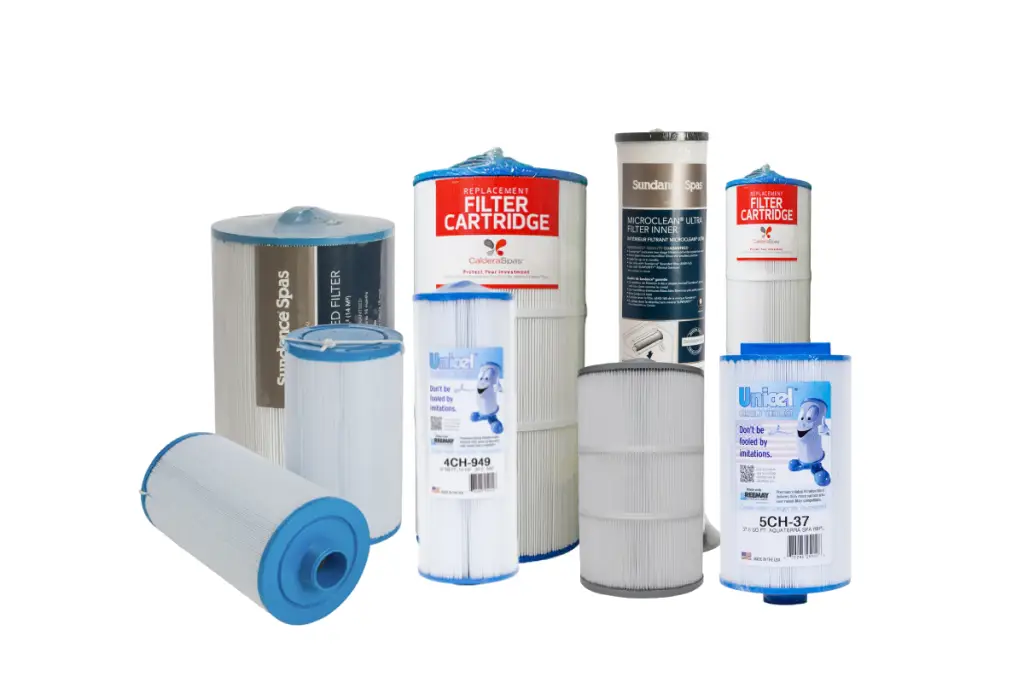
Sometimes the Problem Isn't the Water
Dirty filters and plumbing can make clean water much harder to maintain.
Your filter captures debris and organics as water circulates. Buildup can also accumulate where you cannot see it—inside the spa's plumbing.
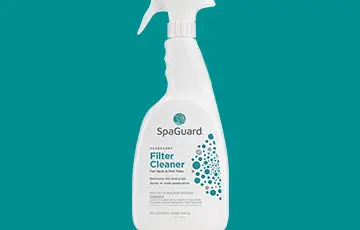
How often should I clean my filter?
Rinse filters regularly. Blackthorne currently recommends chemically cleaning spa filters approximately every 3–4 weeks to help maintain performance and filter life.
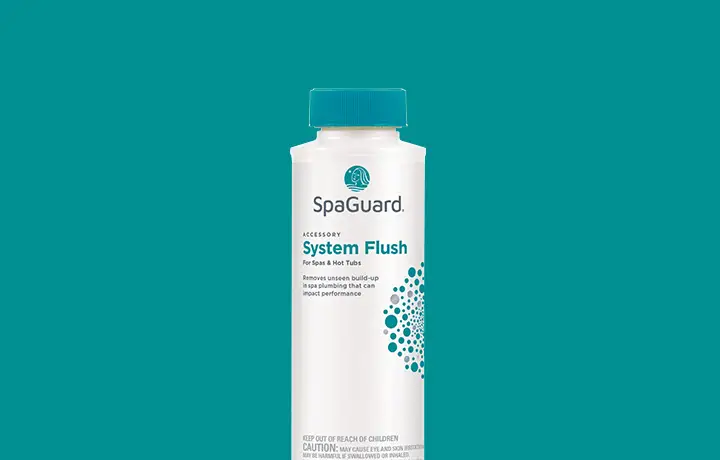
Why flush the plumbing?
Hidden buildup can collect inside spa plumbing. A system flush helps remove material from the lines, particularly when draining and refilling the spa.
Before You Add Anything
Is the water cloudy, foamy, discolored or producing an unusual odor?
Check pH, alkalinity and sanitizer before deciding what needs to be added.
Inspect the filter and consider recent spa use, contaminants and maintenance history.
Treat the actual cause rather than simply adding more of everything.
Confirm the water is back within the appropriate ranges before making additional adjustments.
Still Not Sure?
Bring Us a Sample.
Don't keep adding products hoping something works.
Bring approximately a pint of pool or spa water to Blackthorne. We'll test the water and provide recommendations based on the results.
Spa Water Care FAQ
Why is my spa water cloudy?
Common causes include improper water balance, insufficient sanitizer, a dirty filter, heavy spa use or organic buildup. Testing the water is the best place to start.
What causes foam in a hot tub?
Foam is commonly caused by organics, soaps, residual laundry products, hair conditioner and other contaminants introduced into the spa.
What's the difference between chlorine and bromine?
Chlorine acts quickly and is straightforward to manage. Bromine dissolves more slowly and provides longer-lasting sanitizing action in hot water.
How often should I shock my spa?
The current Blackthorne guidance is generally weekly or following heavy use. Always follow the directions for the specific product and water-care system you're using.
How often should I chemically clean my filter?
Blackthorne currently recommends chemically cleaning spa filters approximately every 3–4 weeks, in addition to regular rinsing.
Can Blackthorne test my spa water?
Yes. Bring approximately one pint of water to Blackthorne. Computerized testing is free with an in-store purchase or $5 without a purchase.
Bring Us the Problem.
We'll Help Find the Cause.
Take a photo of what you're seeing and bring a water sample to Blackthorne. We'll help you determine what your spa water needs—and what it doesn't.